









L'histoire
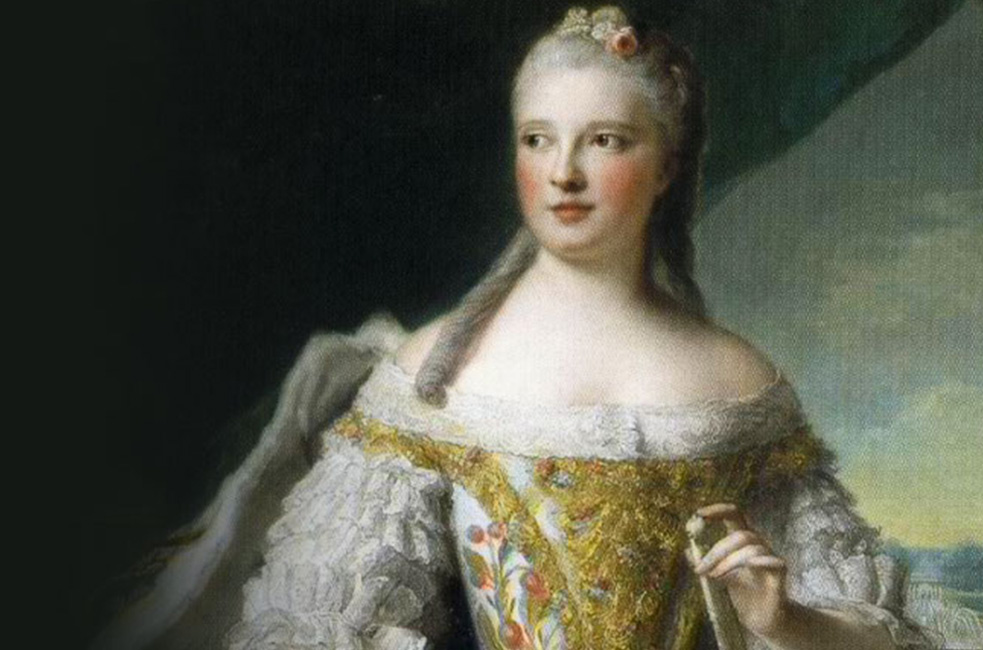
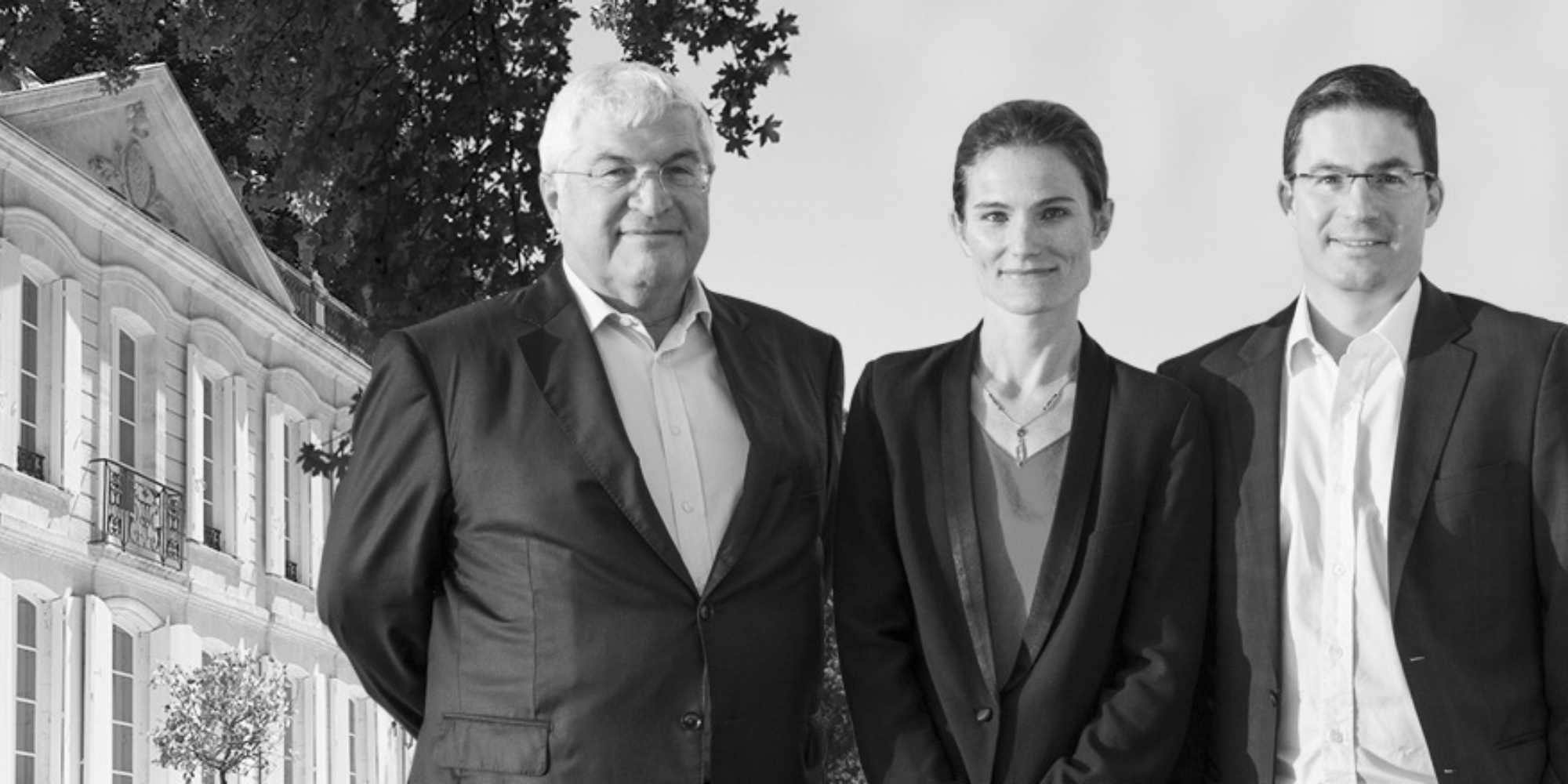
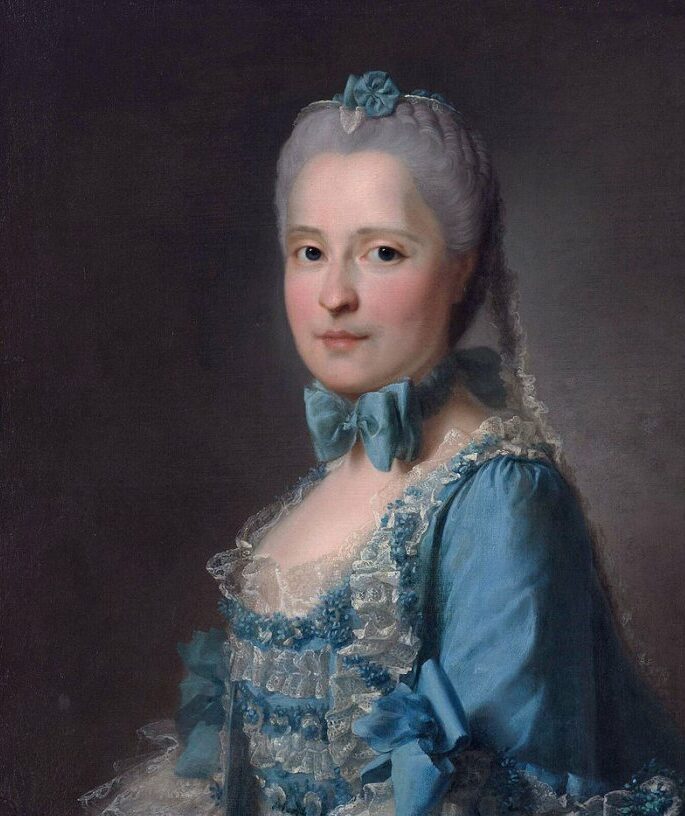
The castle was built between the years 1744 and 1750 by Jean-Baptiste DE RICHON, lawyer at the Parliament of Paris, Civil and Criminal Judge of the Duchy of Fronsac. Shortly after the construction of the castle, Marie-Josèphe DE SAXE, the Dauphine of France (wife of Louis-Ferdinand DE FRANCE the Dauphin, son of Louis XV) mother of the last kings of France including Louis XVI, stayed there for a few days. This event will contribute to the development of the notoriety of the property which was thus named in memory of the stay of this princess. <br> In 1985, François-Régis MARCETTEAU DE BREM sold La Dauphine to the MOUEIX family from Libourne (Château Petrus, Château Trotanoy and Château Magdeleine). In 2000, Jean HALLEY (former director and co-founder of the PROMODES Group) acquired Château de La Dauphine. Following this acquisition, Jean HALLEY, who died in 2011, and his son Guillaume, undertake major investments to highlight the quality of the terroir and contribute to the influence of the estate. In 2015, the estate was sold to the LABRUNE family, founding owner of CEGEDIM, a technology and services company specializing in health. While continuing the efforts undertaken over the past fifteen years by its previous owner, the LABRUNE family intends to pursue the same strategy: to produce great organic & biodynamic wines that express the finesse of their terroir. During these 350 years of history, the estate has been successively enlarged to reach today the surface of 53 hectares of vines. Located between Bordeaux and Saint Emilion, assimilated to a classified growth, it is one of the largest properties in Libourne.
La Dauphine
Maria Josephus of Saxony was born in 1731 in Dresden, Germany. Daughter of the King of Poland, she married in 1747 Louis, Dauphin of France, heir son of Louis XV. Now bearing the title of Dauphine of France, she thus becomes one of the emblematic figures of her time because the future of the kingdom is on her shoulders. Sweet and brilliant, she was quickly appreciated at the Court of Versailles and by King Louis XV, her father-in-law. The Dauphin of France, her husband, dying young of tuberculosis, she will therefore not reign but she will give birth to several children. She thus became the mother of the last 3 kings of France: Louix XVI, Louis XVIII and Charles X. Around 1750, she was invited to the Château de La Dauphine by the then owner Jean de Richon, then an adviser to the Court of Versailles. This is how she will give her title of nobility in memory of her stay at the property.
The vineyard
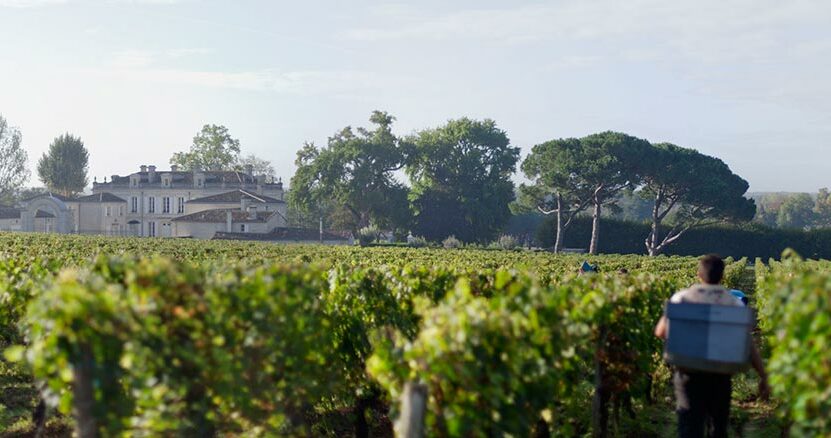
The vineyard of 53 hectares in total, facing south, is distinguished by its amphitheater shape with a drop of 60m between the highest plot and the lowest plot. The soil is rich and generous offering the vines 14 types of soil grouped into three large groups: a clay-limestone plateau on limestone with starfish, a clay-limestone hillside on shallow Fronsadais molasses and a sandy clay-loam foothill on the subsoil. clayey. After ten vintages, years of experience, knowledge of the vineyard, the natural extension of this work led the property to convert to Organic Farming. A “philosophy” of work emerges: do not give in to ease “the details make the quality and the quality is not a detail”, the technical choices will be reasoned on the plot; plowing or grassing, pruning, height of trellising, green work, amendment and even restructuring... Following the AB certification in 2015, the ethical work of the property deepens with the start of Biodynamics. Natural preparations, based on manure, plant or minerals, mixed and applied according to the lunar calendar. A meticulous work in harmony with the rhythms of nature for respect for the environment and people. The year 2018 marks progress in the environmental approach of Château de La Dauphine, which is now certified with two new labels: High Environmental Value (level 3) and Environmental Management System. The actions are intended to be global: employees are involved, water and energy consumption controlled, biodiversity over the entire protected area and local residents kept informed of the efforts undertaken. The Château de La Dauphine therefore wishes to set an example of modern viticulture, concerned with current environmental issues and thus dust off the image of Bordeaux wines.
Winemaking
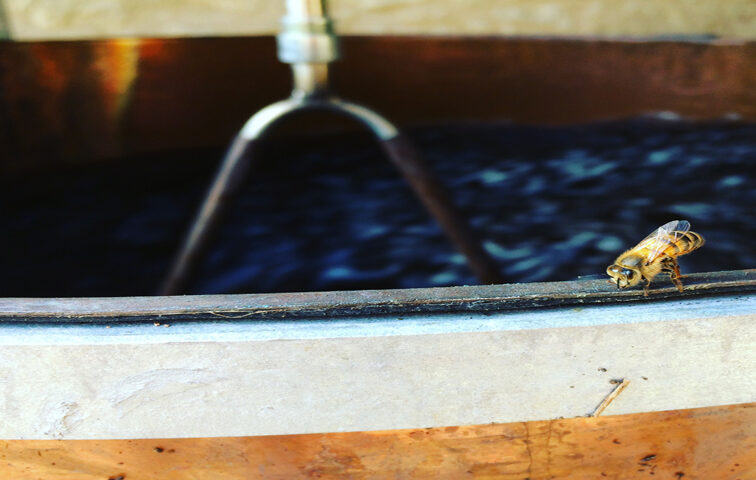
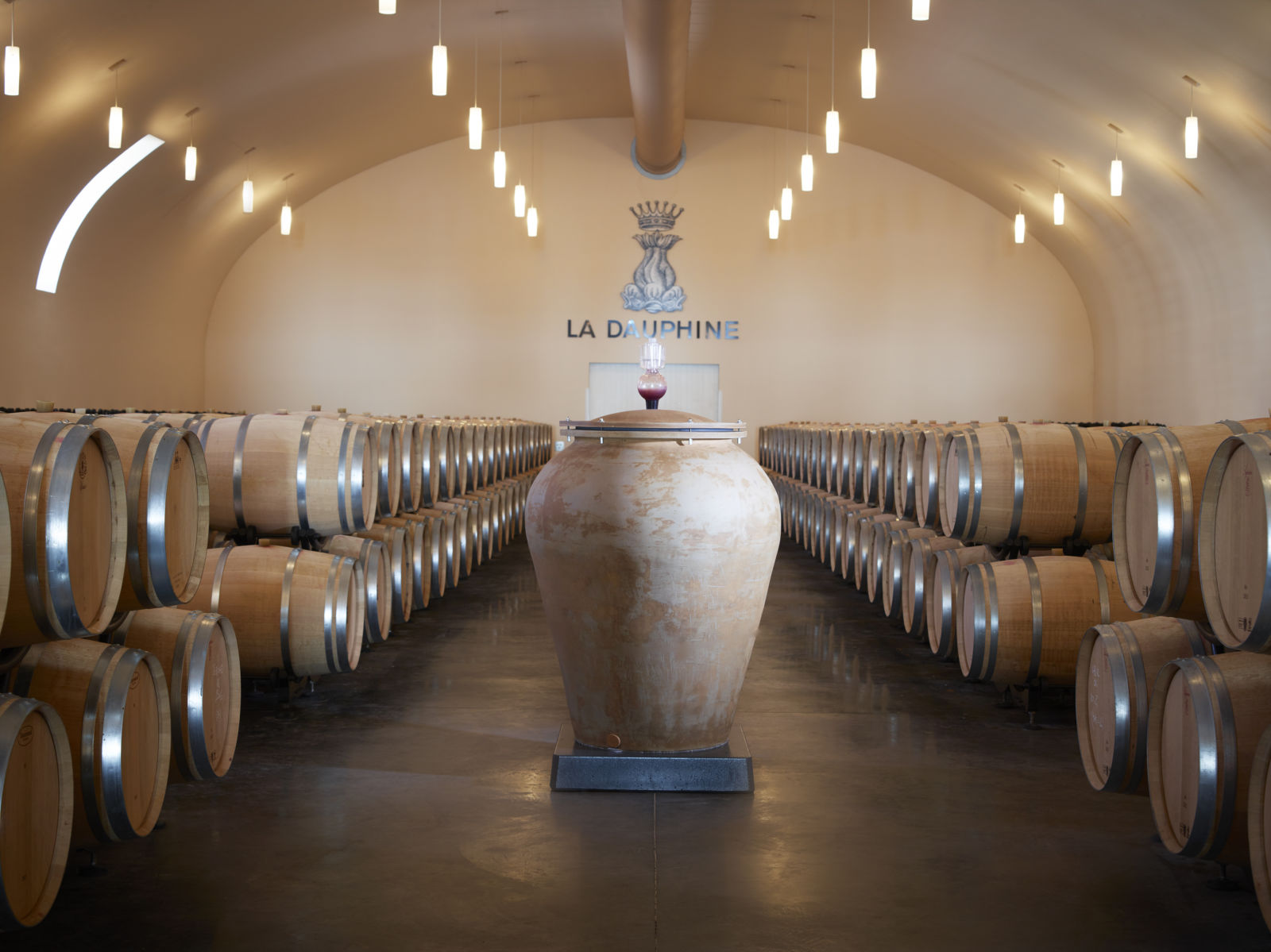
The Château de la Dauphine was a pioneer in the early 2000s by building ultra-modern technical buildings that remain today at the forefront of controlled winemaking. Vinification is controlled to respect the fruit: double sorting table upstream and downstream of the destemmer, entry of the berries into the vats by gravity thanks to a unique mobile and rotating arm. The 26 concrete vats and the 16 stainless steel vats of 50 hl allow plot vinification. Since 2017, 6 new concrete vats have been used to accommodate the harvest. Tulip-shaped and with thermoregulation integrated into the concrete wall, these vats, thanks to their modernity, allow even more controlled vinification. In this cellar with imposing perspectives, every detail is cared for by aging for 12 months in the best conditions. In the 600-barrel cellar, particular attention is paid to hygiene and functionality: semi-buried, double insulated, ventilated, air-conditioned, OXOLine system. With the aim of producing wines where the freshness of the fruit and elegance combine, the choice of aging in an amphora has been made since 2017. Thus a clay amphora and another in sandstone complete the aging of 12 months thanks to micro-oxygenation, but without adding wood tannins and empyreumatic aromas from the toast.
92 /100
- Fronsac
- 053 hectares
- fClay-limestone / clay-loam-sandy
- 130,000 bottles per year
Pour en savoir plus, téléchargez notre fiche technique :